


Magic: The Gathering (MTG) Is More Than a Card Game
Magic: The Gathering is one of the most iconic trading card games ever made: part strategy game, part collectible hobby, and part community. Whether you’re here to play Friday night games with friends, build a competitive deck, or just collect beautiful cards, MTG has a lane for you.
At Landfall Outpost, we love MTG for the same reason we love all TCGs: the thrill of cracking packs, the creativity of deckbuilding, and the community that forms around it.
What Are Magic Cards, Exactly?
Every Magic card falls into a few core categories. Knowing these makes it way easier to understand what you’re opening and what you actually need. For a part-by-part walkthrough, see how to read a Magic: The Gathering card.
Creature Cards
These are your main “attack and defend” cards. Creatures have power/toughness (like 3/3) and often have abilities that change the game.

Spells (Instants & Sorceries)
These are one-time effects: damage, drawing cards, destroying threats, and more.
- Instants can be played on either player’s turn (great for surprises).
- Sorceries are usually played only on your turn (often stronger effects)

Enchantments and Artifacts
These stick around and provide ongoing value. Enchantments often boost your board or limit your opponent. Artifacts can be equipment, mana rocks, or utility pieces.

Planeswalkers
Powerful cards with loyalty abilities that can take over games if left alone.

Lands
The foundation of every deck. Lands generate mana, which you use to cast everything else.

The 5 Colors of Magic (And What They Feel Like)
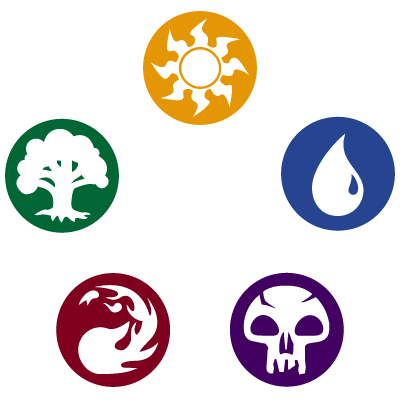
MTG’s color system is one of the coolest parts of the game. Each color has a “personality” and playstyle:
- White: teamwork, protection, lifegain, lots of creatures
- Blue: control, counterspells, card draw, tricky plays
- Black: sacrifice, graveyard synergy, removal, big risk/reward
- Red: speed, direct damage, aggressive creatures
- Green: big creatures, ramp (extra mana), natural power
Most decks use 1–3 colors depending on the format and strategy.
MTG Formats: How People Actually Play
If you’ve ever wondered “what am I supposed to build?” the answer depends on the format.
Commander (EDH)
The most popular casual format. 100-card decks, usually multiplayer, built around a legendary “Commander.” Great for social play and collecting.
The most popular casual format. 100-card decks, usually multiplayer, built around a legendary “Commander.” Great for social play and collecting.
Standard
Uses newer sets (rotates over time). Great for players who like fresh metas and building from current releases.
Uses newer sets (rotates over time). Great for players who like fresh metas and building from current releases.
Modern / Pioneer
Bigger card pools, deeper strategies, and more long-term deck building.
Bigger card pools, deeper strategies, and more long-term deck building.
Draft / Sealed (Limited)
You open packs and build a deck on the spot. This is where opening packs becomes part of the game itself, perfect for players who love the “crack and play” vibe.
You open packs and build a deck on the spot. This is where opening packs becomes part of the game itself, perfect for players who love the “crack and play” vibe.
What to Buy First (Without Wasting Money)
If you’re new, you don’t need to buy everything. Here’s the simplest way to start:
1) If you want to play casually:
Pick a theme you like (dragons, zombies, angels, artifacts, etc.) and start with a beginner-friendly product or a bundle of packs to learn what you enjoy.
Pick a theme you like (dragons, zombies, angels, artifacts, etc.) and start with a beginner-friendly product or a bundle of packs to learn what you enjoy.
2) If you want to play Commander:
Start with a Commander deck and upgrade it over time with singles or packs. Our guide to building a Commander deck from scratch walks through it step by step.
Start with a Commander deck and upgrade it over time with singles or packs. Our guide to building a Commander deck from scratch walks through it step by step.
3) If you just love opening packs:
Grab a few packs from a set you like and treat it like a fun pull session. You’ll learn fast just by seeing the card types and mechanics.
Grab a few packs from a set you like and treat it like a fun pull session. You’ll learn fast just by seeing the card types and mechanics.
What Makes MTG Cards Collectible?
Even if you don’t play competitively, MTG has a huge collector scene. Cards can be collectible because of:
- Alternate art / special treatments
- Foils and premium versions
- Iconic characters and story moments
- Powerful staples used across formats
- Limited print runs or chase cards
Some people collect by artist, by set, by creature type, or by “blinging out” a favorite deck.
How to Spot What’s “Good” When You Open Packs
When you crack packs, here are a few quick signals you pulled something worth paying attention to:
- Mythic rares (often splashy, powerful, or collectible)
- Cards with unique art treatments
- Staples (cards that fit into many decks)
- Commander-friendly cards (big effects, multiplayer value)
- Foils / premium versions (especially of popular cards)
If you’re ever unsure, that’s the fun part: ask the community, compare builds, and learn as you go. Our MTG glossary for beginners explains the terms you’ll hear at the table.
Build Your MTG Collection With Confidence
At Landfall Outpost, we’re collectors too. We care about authenticity, clean product, and making the hobby feel welcoming, whether you’re buying your first packs or hunting upgrades for a favorite deck.
If you’re into live openings, come join the live stream Monday, Tuesday and Thursday at 8:30 PM Eastern and hang with the community. If you prefer sealed, browse the store and grab what fits your style.
Ready to jump in?
Check out our Magic: The Gathering selection and start building your next deck (or your next display-worthy pull), or come play Friday Night Magic at our store at 138 North St, Newport, TN, every Friday from 6 to 10 PM. See all events.
Check out our Magic: The Gathering selection and start building your next deck (or your next display-worthy pull), or come play Friday Night Magic at our store at 138 North St, Newport, TN, every Friday from 6 to 10 PM. See all events.
Where can you play Magic: The Gathering near Newport, TN?
Landfall Outpost hosts Friday Night Magic every Friday from 6 PM to 10 PM for $5 entry, plus Commander nights, prereleases and drafts throughout the year, listed on our events page. We are at 138 North St, Newport, TN 37821, open Friday and Saturday from 12 PM to 8 PM and Sunday from 12 PM to 6 PM. Prefer to shop online? We ship nationwide, with free shipping on orders over $175.